
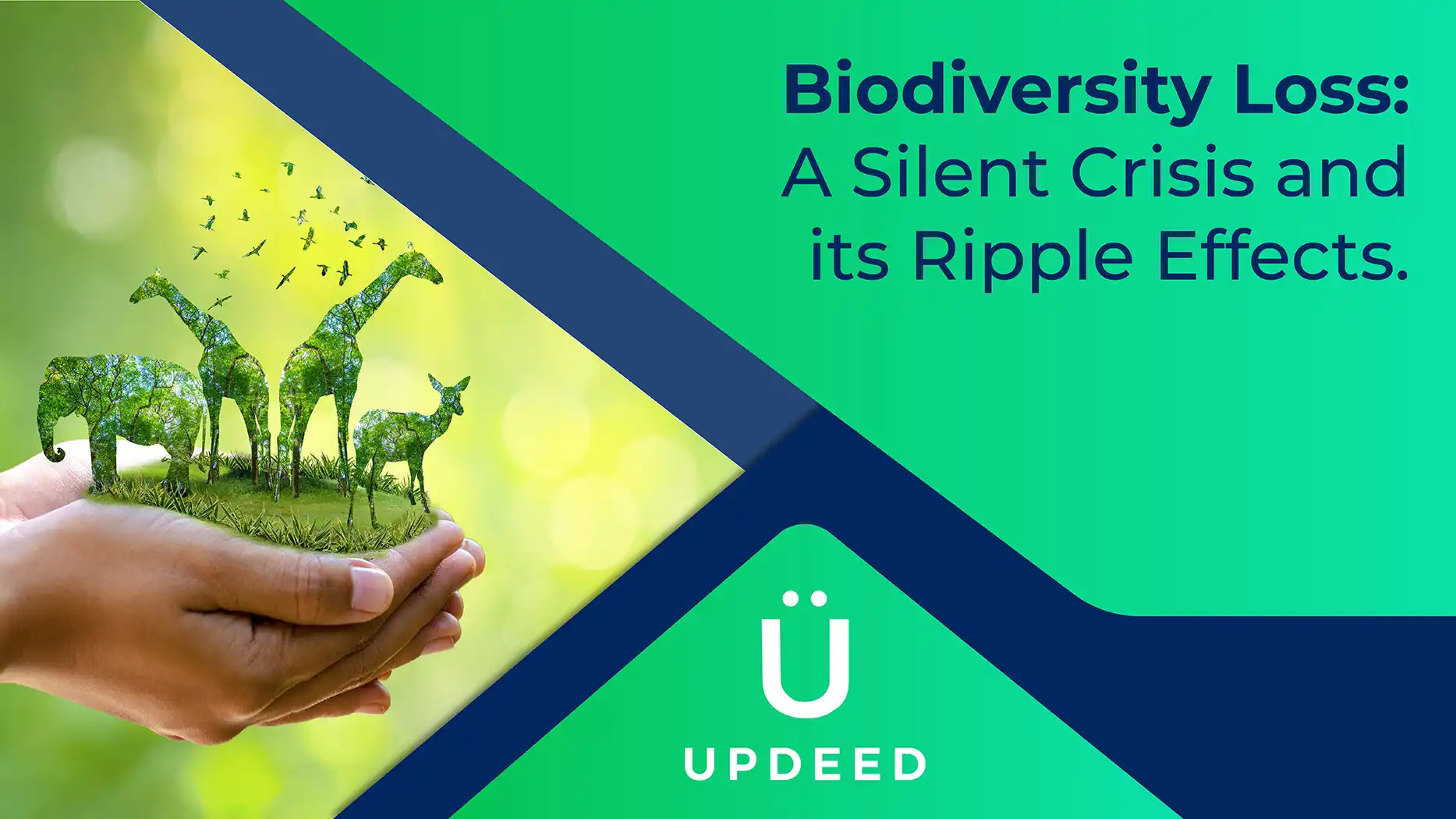
Biodiversity is traditionally defined as the variety of life on Earth in all its forms. It comprises the number of species, their genetic variation, and the interaction of these lifeforms within complex ecosystems.
In a UN report published in 2019, scientists warned that one million species – out of an estimated total of eight million – are threatened with extinction, many within decades. Some researchers even consider we are in the middle of the sixth mass extinction event in Earth’s history.
Earlier known mass extinctions wiped out between 60% and 95% of all species. It takes millions of years for ecosystems to recover from biodiversity loss.
Understanding Biodiversity
The term biodiversity was coined in 1985. It is important in natural as well as artificial ecosystems. It deals with nature’s variety, the biosphere. It refers to variabilities among plants, animals, and microorganism species.
Biodiversity includes the number of different organisms and their relative frequencies in an ecosystem. It also reflects the organization of organisms at different levels.
Biodiversity holds ecological and economic significance. It provides us with nourishment, housing, fuel, clothing, and several other resources. It also extracts monetary benefits through tourism.
Therefore, it is very important to have a good knowledge of biodiversity for a sustainable livelihood.
Why Is Biodiversity Important?
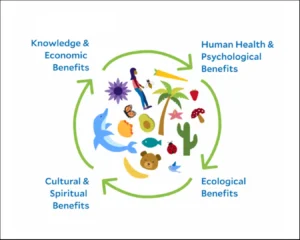
Healthy ecosystems provide us with many essentials we take for granted. Plants convert energy from the sun making it available to other life forms.
Bacteria and other living organisms break down organic matter into nutrients providing plants with healthy soil to grow in.
Pollinators are essential in plant reproduction, guaranteeing our food production. Plants and oceans act as major carbon sinks.
In short, biodiversity provides us with clean air, fresh water, good-quality soil, and crop pollination. It helps us fight climate change and adapt to it as well as reduce the impact of natural hazards.
Since living organisms interact in dynamic ecosystems, the disappearance of one species can have a far-reaching impact on the food chain.
It is impossible to know exactly what the consequences of mass extinctions would be for humans, but we do know that for now the diversity of nature allows us to thrive.
Causes of Biodiversity Loss
Species have always naturally gone extinct over geological timescales. However, human activities have accelerated the rate of biodiversity decline. The main drivers over the past 50 years are:
- Habitat destruction:
Converting lands for agriculture, deforestation, urban sprawl, infrastructure, and mining destroys natural habitats and fragments ecosystems. - Overexploitation:
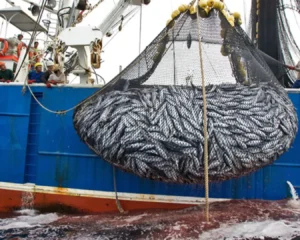
Overfishing, unsustainable hunting, poaching, and illegal wildlife trade have endangered many species. - Invasive species:
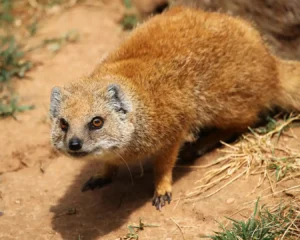
Travel, trade, and climate change spread alien invasive species that outcompete native ones. - Pollution:
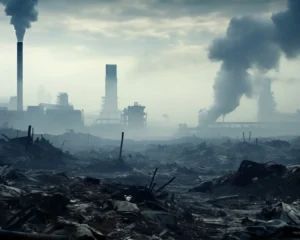
Contaminants in soil, water, and air from industrial chemicals, fossil fuels, plastics, etc, degrade ecosystems. - Climate change:
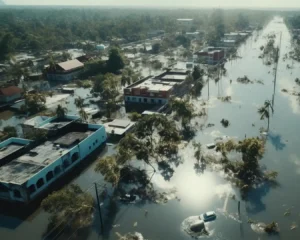
Rising temperatures, extreme weather events, floods, droughts, and fires destroy sensitive ecosystems.
Over a million species will face extinction in the coming decades due to human pressures which will impact biodiversity loss.
Climate change is the main factor affecting biodiversity. You can read the full article here Reducing Biodiversity Loss Is The Key To Solve The Climate Crisis
Cascading Effects on Ecosystems
What happens when key species disappear from an ecosystem? Their loss can have cascading effects across food chains and ecological processes.
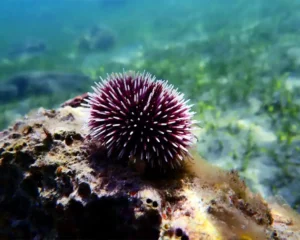
For example, overhunting of sea otters led to urchin population booms.
The urchins, in turn, decimated kelp forests, which are habitats for fish, mollusks, and birds off the Pacific coast.
The removal of a top predator destabilized the entire coastal marine ecosystem.
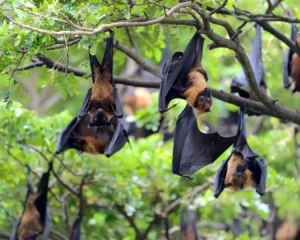
Another example is how bat populations help suppress crop pests and reduce the need for pesticides.
But white-nose syndrome has killed millions of bats. Losing natural pest control has increased farm costs and chemical loads.
Invasive species like zebra mussels and cheatgrass have displaced native species and altered habitats in many areas.
As ecosystems lose diversity, they become less resilient to other changes.
Impacts of Biodiversity Loss on Human Wellbeing
By eroding nature’s contributions, biodiversity loss poses risks to health, economy and development:
- Food insecurity:
Pollinator loss reduces crop yields. Declining fish stocks threaten nutrition and livelihoods. Over a billion people rely on wild foods. - Resource scarcity:
Reduced availability of fuel, fodder, timber, fibers and construction material strains rural communities. - Economic loss:
Key sectors like agriculture, forestry, fisheries, and ecotourism suffer from biodiversity decline. It slows poverty alleviation and growth. - Health risks:
With the loss of medicinal plants and increased infectious diseases, access to healthcare suffers. Mental health also declines without natural spaces. - Disasters and displacement:
Loss of coastal mangroves and mountain ecosystems increases flood and landslide risks. It also displaces communities. - Conflicts:
As resources like water and grazing lands become scarcer, it can spark civil unrest and migration.
Conserving biodiversity is vital for global stability, sustainable development and reducing inequalities.
Global Conservation Efforts
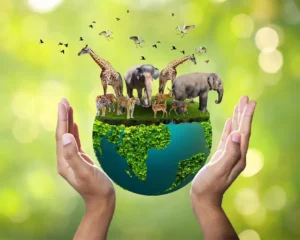
International bodies like IUCN and UNEP are monitoring biodiversity status worldwide. Key conservation agreements include:
- The UN Convention on Biological Diversity (1993) coordinates national strategies and targets to protect biodiversity.
- The CITES treaty (1973) regulates cross-border trade in endangered flora and fauna.
- The Paris Agreement (2016) links climate action to biodiversity protection and sustainable land use.
- The post-2020 Global Biodiversity Framework aims to conserve and restore ecosystems through global cooperation.
Over 15% of the world’s land and 7% of oceans are now protected in reserves. But more comprehensive and sustained efforts are required to preserve Earth’s living fabric.
What Can Individuals Do?

We all have a role to play in protecting biodiversity:
- Reduce plastic use, waste and carbon footprint. Make sustainable choices as consumers and voters.
- Create wildlife-friendly spaces with native vegetation. Avoid pesticides or chemicals that run off into ecosystems.
- Support local conservation groups through donations, volunteering or citizen science initiatives.
- Educate peers on making biodiversity-positive choices – in energy, food, travel, lifestyle. Lead by example.
- Advocate for green spaces, smart urban planning and biodiversity-sensitive policies. Push for bolder collective action.
Our Shared Future
Earth’s astounding biodiversity has enriched human civilization throughout history. But its rapid decline now threatens our health, economy, and collective future.
While governments, corporations, and civil society must all engage in conservation, individuals also have an important role to play through their everyday actions and advocacy.
Our fate is intricately tied to that of millions of other species.
Preserving biodiversity is the only way we can build a sustainable and just world for all life to thrive.
Ready to make a positive impact in the world?
UPDEED is the place for you. Our free and open platform is filled with inspiring stories from individuals and organizations who are making a difference in their communities and beyond. Connect and collaborate with like-minded individuals from around the globe on UPDEED, and discover your own potential to create meaningful change. Join our community and make a difference.