
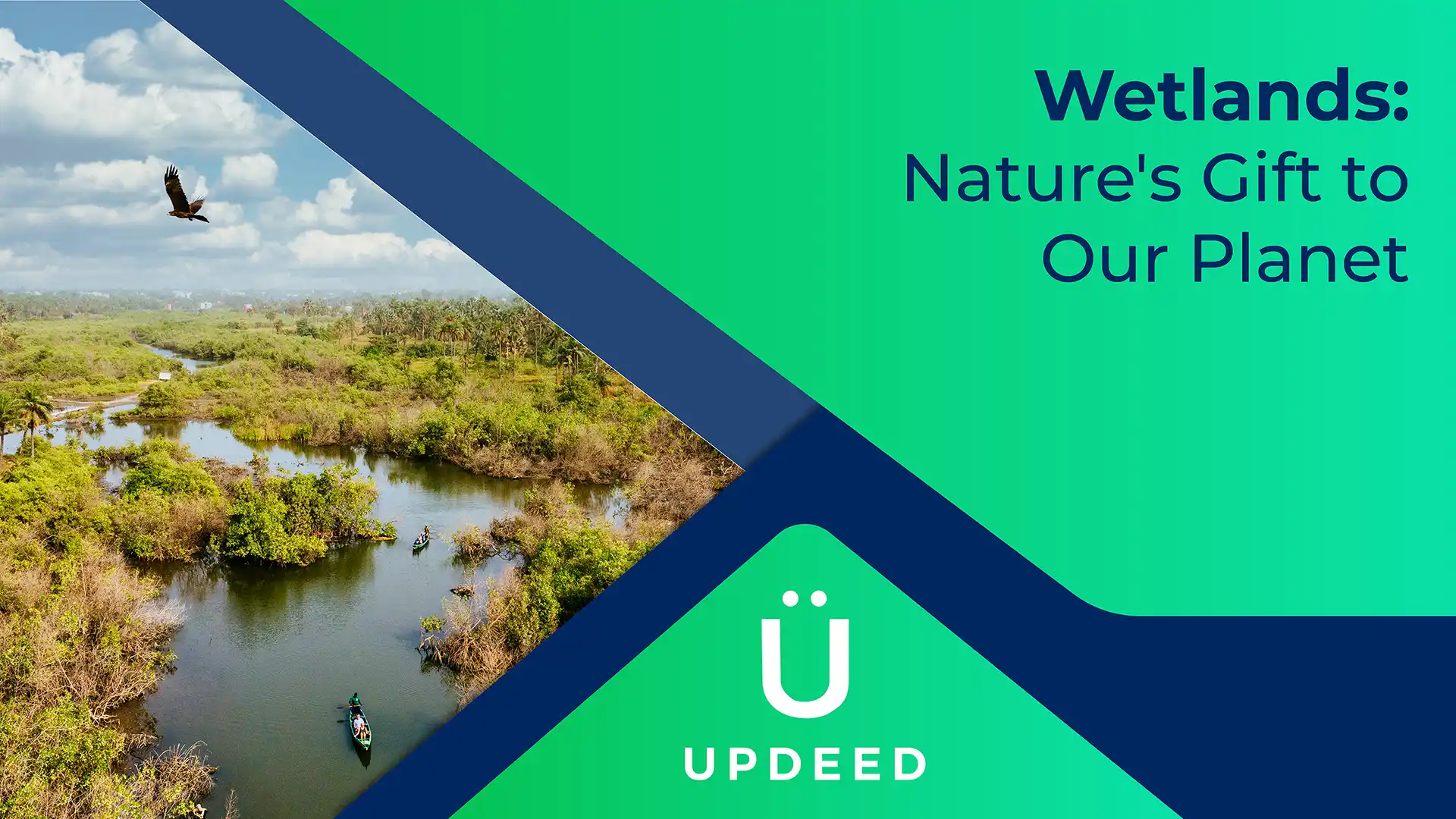
Wetlands are ecological systems where the soil is covered with water or water is below the surface for an extended period. This water can be fresh or saline.
These are everywhere on the planet and are crucial to the environment. They are able to renew groundwater supplies, cleanse polluted water and reduce the incidence of flooding due to stream slowing.
They serve as a home for the wildlife and provide food to various plants and animals. They are a great resource of our ecosystem and we should protect them.
Sadly, these are currently being lost at a fast rate because of urbanization and human activities such as pollution from industry, agriculture and domestic sources, invasive species, and climate change.
Wisely managed, they can be preserved for the health of animals, of man and of the earth. If we do not take care of these, we will lose the crucial ecosystems for the good.
The Diversity of Wetlands
Wetlands are the areas of the land whereby most of the part of land is under water all throughout the year. They are found worldwide and have diverse structures and sizes. Some are small and isolated, while others are expansive and easily accessible. These are either perennial or exceedingly ephemeral.
Some of the large groups of animals and plants are very important in wetlands habitats.
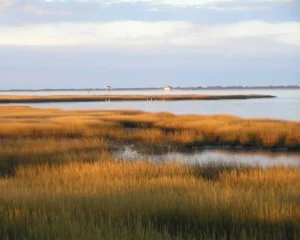
- Marshes: These are herbaceous. The natural waters to which they are associated include the rivers and the streams or the coastlines.
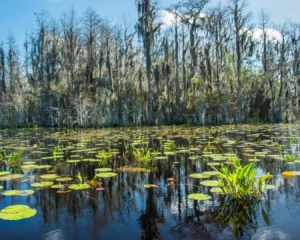
- Swamps: Swamps are dominated by trees and shrubs. They are found in the lowlands, and they are also seasonally inundated.
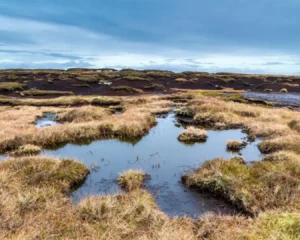
- Bogs: These are peaty and acidic. They are usually linked to the cold, northern regions.
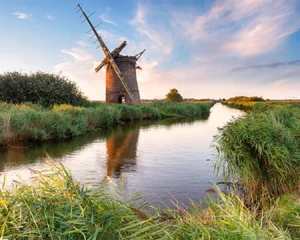
- Fens: These are mainly mineral-fed. They are mostly associated to the limestone or chalk types.
Importance of Wetlands
They play a crucial role in water purification worldwide except in Antarctica. The plants helps in the filtration of pollutants like bacteria, sediments and provide clean water.
They absorb extra water like a sponge during floods, storms and minimize the risk of erosion. Along with environmental benefits, they offer recreational activities like fishing and bird-watching
- Water quality: Marshes, such as rivers and streams, can remove pollutants from the runoff before it enters into open water sources.
- Habitat: Wetlands host thousands of species of plants and animals ranging from invertebrates to vertebrates inclusive of at least one-third of the threatened and endangered species.
- Recreation: Recreational activities are performed along with some aesthetic values that make people feel good.
- Education: Wetlands are the locations where research and education activities take place.
- Climate change: Climate change nature-based solutions can help to enhance communities’ resilience.
Threats to Wetlands
Wetlands are threatened by human activities such as pollution, drainage or climate change. They are susceptible to runoff pollutants from farms and urban areas.
There are various chemicals such as fertilizers promote damage to vegetation and animal life. The ecosystems are disturbed through drainage, which is affecting vegetation and wildlife.
However, the challenges are worse when climate change comes in context.
Preserving these rare ecosystems is an immediate response to pollution, uncontrolled runoff, and climate-change disturbances.
Climate change also impacts the ecosystem’s other subsets like wildlife migration patterns. We have written a detailed article on the subject, that you may like to read; Impact of climate change on wildlife migration patterns.
In addition to these significant threats, they are also threatened by a variety of other human activities, including:
- Dredging and filling
- Invasions of exotic species
- Unsustainable fishing and hunting
- Recreation
- Lack of management
These dangers should be clearly understood for us to act on their preservation.
All of us have a part to play in reducing pollution, supporting sustainable development, and promoting conservation.
Conservation Efforts
Here are some global and local initiatives:
- Global initiatives
Some global initiatives for conservation are the Ramsar Convention, the Montreux Record, and World Wetlands Day.
The Ramsar Convention is an international. The purpose is to preserve and utilize via local and national activities. - National initiatives
National initiatives for wetland conservation include the Wetlands (Conservation and Management) Rules, 2017, and the Action Plan of MoEFCC.
Protection of the wetlands in India was initiated in 1987, focusing on biological conservation methods. - Community-led initiatives
Some examples of community-led initiatives for wetland conservation include: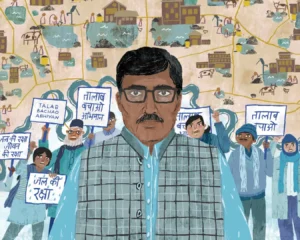
– Narayan Choudhary’s Talab Bachao Abhiyan
– A self-help group that does mangrove safaris is Shweta Hule’s “Swamini.”
– Ramveer Tanwar, who brought life to several ponds and lakes in and around Noida, near Delhi
Some examples of wetland conservation initiatives include:
- – The emergence of sponge cities in China is a good development for the country.
- – The government-led restoration of the Great North Bog in the United Kingdom is ongoing.
- – The Altyn Dala Conservation Initiative, which has contributed to the preservation that play a crucial role as a stepping stone for an estimated 10 million migratory birds
- – Conservation remains critical in the fight against climate change because it reportedly holds about 30–40% of the world’s soil carbon.
Wetlands and Climate Change
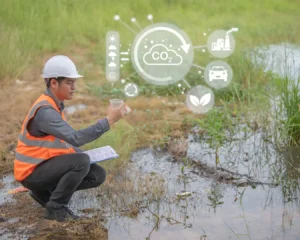
Wetlands can absorb and hold carbon dioxide and other greenhouse gases so that they can help in controlling climate change.
They can absorb carbon which has been built up through hundreds to thousands of years. They are the largest terrestrial carbon sinks on Earth, meaning they hide more carbon than any other ecosystem on the planet.
The amount of carbon stored is equivalent to that under all the forests of the Earth.
The three significant carbon sinks are the coastal, inland, and lakebeds. It is an effective method of carbon sequestration with low methane emissions in the coastal areas.
They can act as a sink by trapping greenhouse gases, control them, and retain them.
Vegetation, algal activity, and soils of these ecosystems can influence the processes that lead to emission of GHGs.
However, the uncertainty lies in determining whether the characteristics are good or bad for climate change.
Yet, it remains unclear as to which climatic factors are better suited in the case of turning from sink to source for GHG.
Educational Awareness
Wetlands need to be seen as an essential part of the environment that needs to be protected, and this can only be achieved if people are made aware of such importance.
The ecosystems are definite ones in which a diversity of habitats and species will be found. – Improving water quality
– Flood protection
– Shoreline erosion control
– Recreation and aesthetic appreciation
– Natural products
– Food and other resources
- Bring wetlands to classrooms
The awareness campaign that is run by the Ministry of Environment, Forests and Climate Change is in the school community. - Make use of wetlands as an educational tool
Through these, the public can learn that they are important and also know whether they are protected enough. - Use wetlands for research
They are perfect systems to investigate due to the nature of their boundaries, which are discrete and delineated. - Use public outreach campaigns
These campaigns could attract international attention and help make some new targets famous. - Use ambassadors
To be able to attain goals, ambassadors participate in peer-to-peer fundraising campaigns, persuade new participants, commit online and prompt virtual events of awareness.
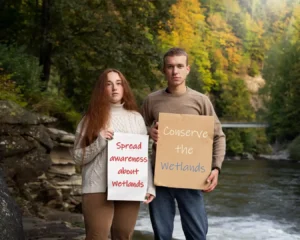
Let’s Recall
Wetlands are essential to the health of this planet. The wide variety of ecosystem services such as water purification, flood maintenance, and biodiversity.
They play a vital role in carbon sequestration and climate change.
However, human activities such as drainage and pollution along with other developments pose a threat. Action must be taken to restore life if we want there to be a healthy planet for future generations.
– Support groups that are engaged in the preservation and reclamation of swamplands.
– You should practice water conservation, use less fertilizer, and ensure proper disposal of the waste to help in reducing wetland degradation.
– Inform people of the importance of these.
Thus, by following these measures, we will be able to preserve them so that they can serve their purpose in our daily lives.
Ready to make a positive impact in the world?
UPDEED is the place for you. Our free and open platform is filled with inspiring stories from individuals and organizations who are making a difference in their communities and beyond. Connect and collaborate with like-minded individuals from around the globe on UPDEED, and discover your own potential to create meaningful change. Join our community and make a difference.